1
Placed at the root zone
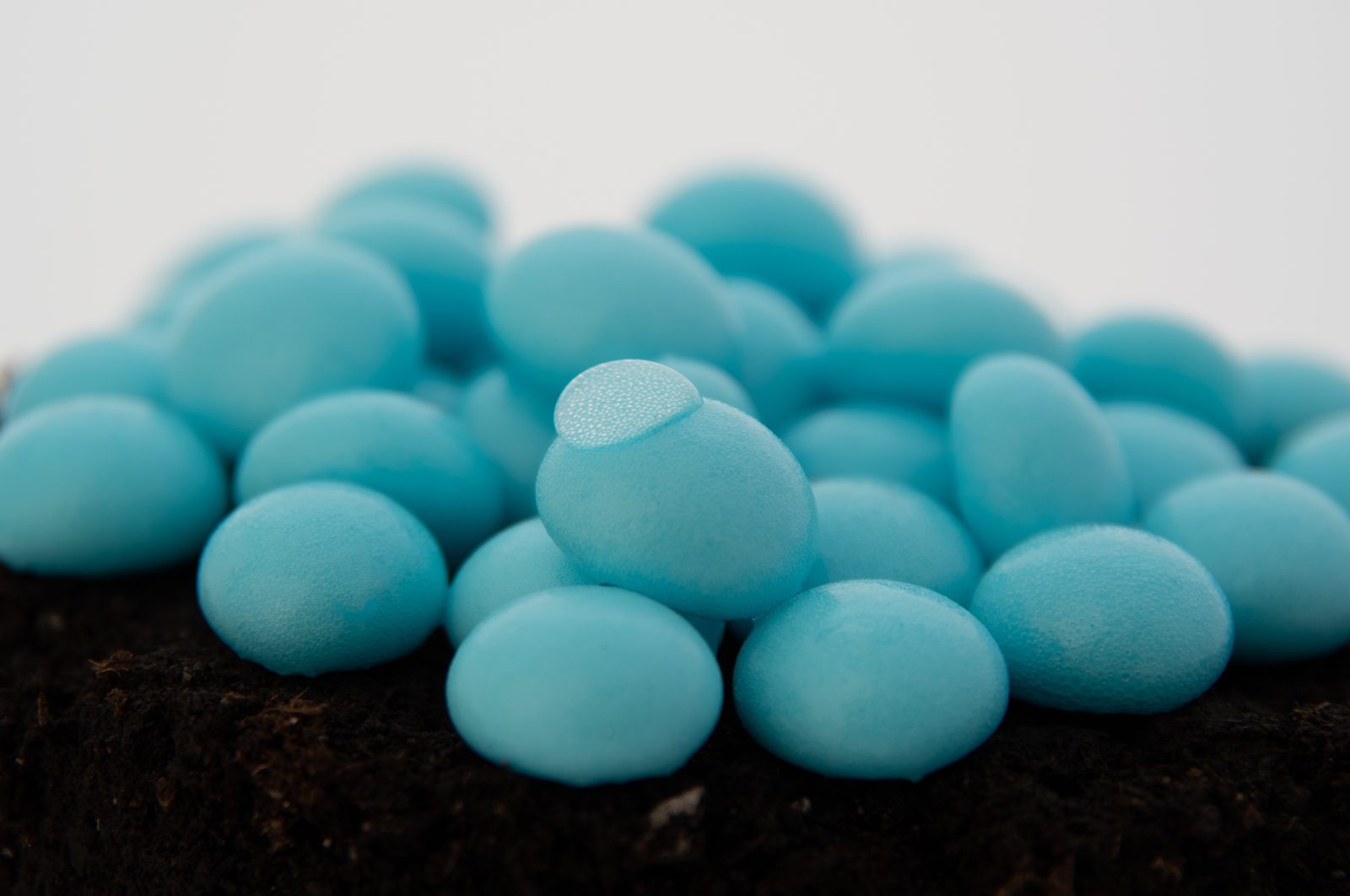
WaterPearls are applied as a surface or shallow-subsurface layer around each seedling, suppressing evaporation from the soil so more of each rain or irrigation stays as liquid water where young roots can use it.

Afforestation and reforestation succeed or fail in the first seasons. WaterPearls hold moisture in the root zone of new plantings, so seedlings establish through dry spells on a fraction of the irrigation. This holds for carbon, watershed and biodiversity-corridor projects alike.
Newly planted seedlings have shallow, undeveloped roots and almost no buffer against a dry week. On open reforestation sites, much of the water applied or rained on the surface is lost to evaporation from bare ground before roots can reach it. Plantings then depend on repeat irrigation, hauled water, or good weather to survive their first summers.
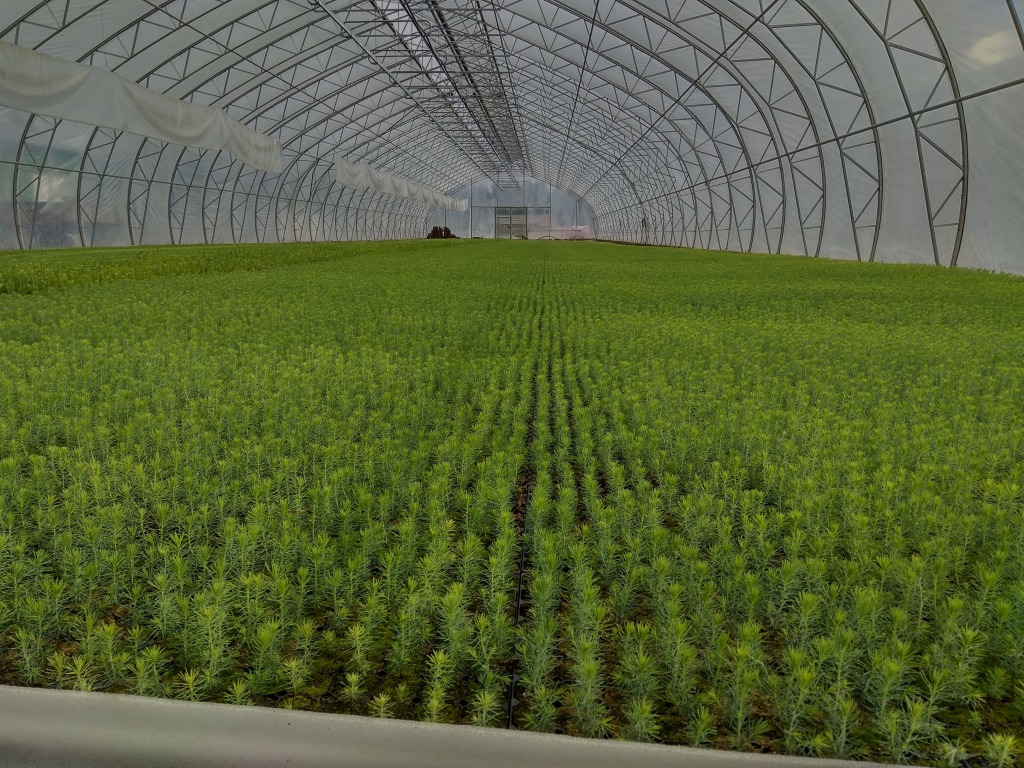
WaterPearls are applied as a surface or shallow-subsurface layer around each seedling, suppressing evaporation from the soil so more of each rain or irrigation stays as liquid water where young roots can use it.
Inert and biodegradable, the beads need no power and only minimal maintenance. They keep working through the establishment window, the years when a planting is most fragile.
Soil-moisture sensors and MRV tags let a project document the actual water held and survival outcomes per site, rather than relying on generic figures.
Reforestation increasingly ties to carbon and biodiversity finance. WaterPearls don't generate those credits. They improve the odds that a planting survives establishment on less irrigation, the precondition for any downstream outcome. Any carbon or biodiversity accounting follows the project's own measured, additional, durable MRV (for soil carbon, to the rigour of Verra VM0042).